Garage Door Maintenance and Tune-Ups
Regular garage door maintenance is how small wear gets caught before it becomes a door that won't open. Near the coast, salt air and humidity work on the steel hardware all year round. Momentum offers garage door maintenance and tune-ups for homes in Bal Harbour, North Miami and the surrounding areas.
(954) 636-6320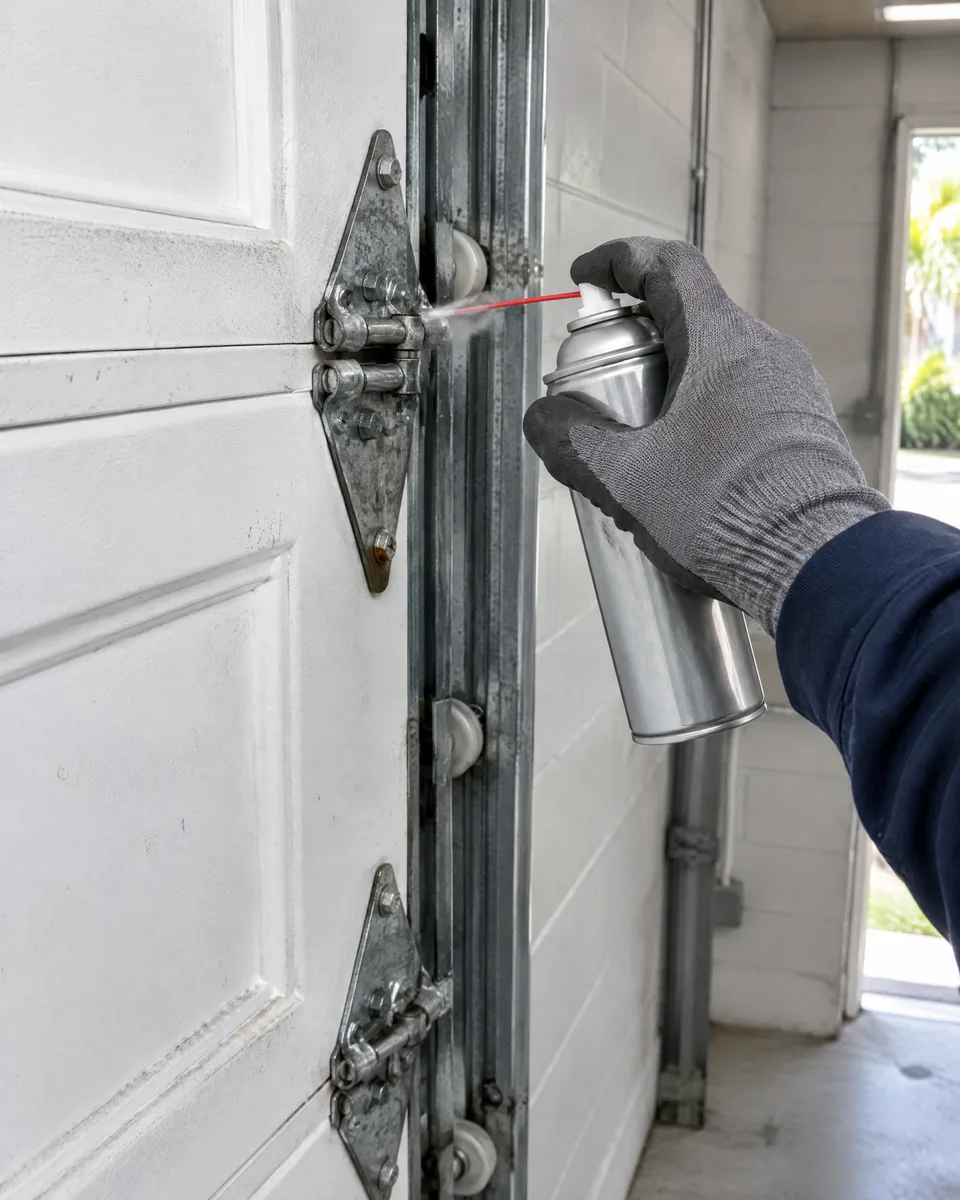
Due for a tune-up, or past it?
A door doesn't have to be broken to need attention. These lists separate the warning signs that need a repair call from the early wear a tune-up is meant to catch.
Call for a repair now if
- A spring shows a gap between its coils or the door won't lift. Spring repair is the right call.
- A cable is frayed or has slipped off its drum.
- The door hangs crooked or has come out of its track.
- The door reverses on the way down every time.
A tune-up can likely handle it if
- The door is louder than it used to be, with squeaks or rattles.
- It shudders, hesitates or moves unevenly.
- Hinges, rollers or brackets show light surface rust.
- The bottom seal is cracked or lets in light and water.
- It has been a year or more since anyone looked the door over.
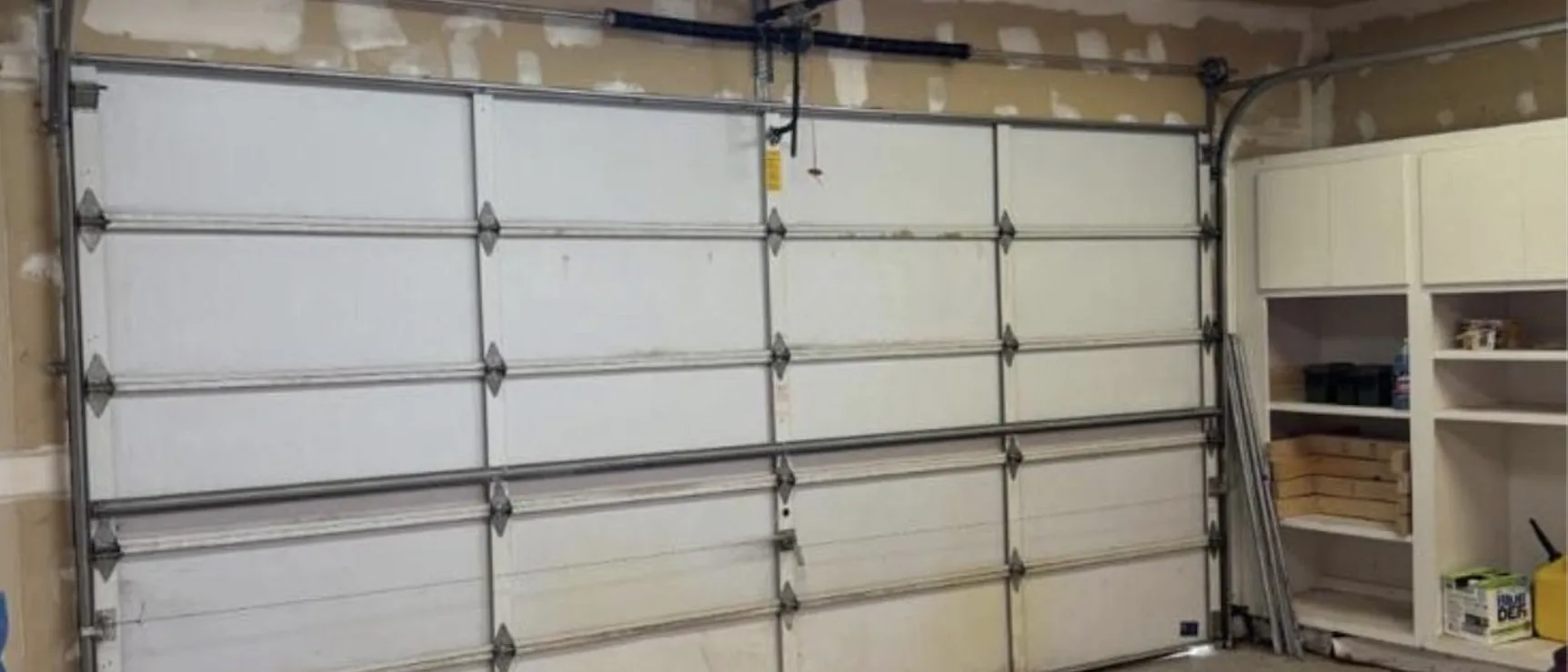
What garage door maintenance usually covers
The exact checklist varies from company to company and door to door. A typical tune-up works through checks like these.
- Watching the door run a full cycle and listening for grinding, popping or rubbing.
- Checking the balance with the opener released, to see if the springs still carry the door's weight evenly.
- Looking over the springs, cables, drums and bottom brackets for wear, rust and fraying. These parts stay under tension and should only be adjusted by someone trained for it.
- Tightening hinge and bracket fasteners that vibration loosens over time.
- Lubricating the moving metal parts, such as hinges, steel roller bearings and springs. The tracks are cleaned and usually left dry.
- Testing the opener's safety reverse and the photo-eye sensors.
Between visits, a quick monthly look keeps you ahead of most problems.
How often should a door near the coast be serviced?
A yearly professional check is a common rule of thumb. Doors close to the ocean often benefit from more frequent attention, because salt air and humidity speed up corrosion of steel springs, cables and hardware. These are the parts that show it first.
Springs
Rust on a torsion spring adds friction between the coils and can shorten its working life. A light coat of lubricant helps slow it down.
Rollers
Steel rollers can rust and stiffen, and worn bearings make a door noisy. Tired rollers are one of the most common things a tune-up turns up.
Roller replacement →Cables and bottom brackets
These sit closest to the floor, where water and salt collect. Fraying or heavy rust here is a reason to call, not to wait.
Hinges and fasteners
Rust on hinges and screws can loosen the joints between sections and leave the door rattling.
Care between visits
Rinsing salt off the door and keeping the bottom edge dry both help the hardware last.
Salt-air care →
A maintenance calendar for doors in South Florida
Opener makers and DASMA, the trade association for door makers, each publish care advice. Their schedules don't match exactly, and your opener's manual is the final word for your model. This table puts the common advice in one place and adds the two dates that matter most here.
| When | What to do | Who |
|---|---|---|
| Every month | Look the door and hardware over for damage, wear or loose parts. Run it with the opener and watch for sticking, jerking or uneven travel. Test the safety reversal and the photo eyes. | Homeowner |
| Every month | With the door closed, pull the release and lift the door by hand. It should move freely and stay balanced. If it feels heavy or binds, close it and call. | Homeowner |
| At least once a year | A small amount of garage door lubricant on rollers, bearings and hinges, with the excess wiped off. Never on the tracks. Near salt water, more often makes sense. | Homeowner or technician |
| Once a year | Test the opener's battery backup, if it has one, the way the manual describes. | Homeowner |
| Every 2 to 3 years | Lubricate the opener rail, but only if the manual calls for it. | Homeowner or technician |
| Before June 1 | A full check before hurricane season, so the door closes all the way and runs smoothly. | Technician |
| After a storm or flood | Look before you run it. With the door closed, check alignment, track, rollers, hinges and sections from inside. | Homeowner, then a technician if anything looks wrong |
NOAA's National Hurricane Center gives the Atlantic season as June 1 to November 30, with its peak around September 10 and most activity between mid-August and mid-October. A door checked in spring is ready before the busy weeks. For the lubrication details near the coast, see protecting a garage door from salt air. For the days before a storm, see getting a garage door ready for a hurricane.
The checklist home inspectors use
DASMA publishes a checklist for home inspectors and homeowners that covers a sectional door and its opener. It says the check takes about 15 minutes with a tape measure, a flashlight, a block about 1½ inches high such as a 2x4, a remote and a step stool. Its rule is simple. If the answer to any question is no, stop and have a trained door technician look at it. A few of its items are easy to overlook.
Warning labels
Look for a warning tag on the spring or spring bracket, a general warning label on the back of a section, and labels near both bottom corner brackets. Some doors have tamper-resistant bottom brackets that don't need the last two.
Spring containment
Torsion springs ride on a shaft, which keeps a broken spring in place. Extension springs need a cable running through the middle of each one, so a broken spring can't fly across the garage.
The release handle and wall button
UL 325 requires the manual release handle to be red and easy to tell apart from the rest of the opener. DASMA's checklist adds that it should hang no more than 6 feet above the floor. Wall buttons belong at least 5 feet up, in clear view of the door and away from moving parts.
Sensor height
The photo-eye beam should be no higher than 6 inches above the floor. The federal safety standard covers residential openers made on or after January 1, 1993, and the checklist says an opener with no entrapment protection should be replaced. How garage door sensors work explains the beam.
Power and locks
The opener should plug into a grounded or GFCI outlet within reach of its own cord, never an extension cord. If the door has a manual slide lock, it should be disabled once an opener is fitted, so the opener never tries to lift a locked door.
Everyday habits that shorten spring life
DASMA lists several things that cut a spring's cycle life after it leaves the factory. Most concern handling and installation, but a few come down to how the door is used at home. Those are the ones a homeowner controls.
Leaving the door open
DASMA says doors near a salty coast should be kept closed where possible. A door left open for long stretches exposes its springs to more heat, moisture and salt.
Chemicals stored nearby
Acids containing chlorine can corrode springs, DASMA notes. If pool chemicals are kept in the garage, keep them sealed and stored away from the door hardware.
Extra weight
Paint and add-ons can push a door past the weight its springs were chosen for. DASMA says a technician can weigh the door on a scale, once the spring tension is safely disabled, if paint seems to have added weight.
Skipped lubrication
Lubricating the springs as the door maker's instructions require helps them reach their full cycle life.
A spring that is already rusted, stretched or gapped is a repair, not a maintenance item. Spring repair is the next step.
Where garage door maintenance stops being a DIY job
DASMA's warning labels draw the line clearly. Springs, bottom brackets, red-colored fasteners, cables and supports are under extreme tension, and the labels say adjustments or repairs to them must be made only by a trained door systems technician. The rest of the door is fair game for a careful homeowner.
| Task | Homeowner | Technician | Why |
|---|---|---|---|
| Rinsing the door and wiping the tracks | Yes | Not needed | No tension involved |
| Lubricating hinges and roller bearings | Yes | Not needed | Low risk with the door closed and the opener unplugged |
| Cleaning and lining up the photo eyes | Yes | If the lights won't hold steady | Low-voltage parts |
| Reversal and balance tests | Yes | If the door fails either one | A failed test means a repair |
| Opener force and limit settings | Only as the manual describes | Yes | A wrong setting can stop the door reversing |
| Springs, cables, drums and bottom brackets | No | Yes | Extreme spring tension |
| A bent track or a section out of line | No | Yes | The door can come out of its track |
Two quick guides cover the homeowner tests: the auto-reverse test and the balance test.
What to have ready when you book a tune-up
A tune-up call goes faster when you can describe the door. Most of this is printed on labels in the garage.
- The opener's brand and model, from the label on the motor unit.
- Whether the springs sit on a bar above the door (torsion) or run beside the side tracks (extension).
- What has changed: new noises, slower travel, a door that reverses, or one side that lags.
- Anything that failed the checklist above or the monthly reversal test.
- Whether the opener has a battery backup, and when it was last tested.
- When the door was last serviced, if you know.
- Any storm damage or a recent knock from a car.
Call Momentum on (954) 636-6320, 24 hours a day, 7 days a week. If the door has already failed a safety test, say so first, and keep the opener unplugged until it's fixed.
Maintenance questions
How often does a garage door need servicing?
Once a year is a common guideline. A door that runs many times a day, or one that sits near salt water, may need checking more often.
Can I lubricate the door myself?
Yes. Hinges and roller bearings are a reasonable homeowner job with a lubricant made for garage doors. Leave spring adjustment, the cables and the bottom brackets alone, because those parts are under high tension.
What can I check each month?
Watch the door run, listen for new noises, look for rust or fraying near the bottom corners, and test the safety reverse. The auto-reverse test takes about a minute.
Is hurricane season a good time to schedule a tune-up?
Before it starts is better. Hurricane season runs from June 1 to November 30, and a door that runs smoothly and closes fully is one less thing to worry about when a storm is on the way. Getting a garage door ready for a hurricane covers the rest.